
How we use AI before and after a sales call

By Greg Rosner
Founder of PitchKitchen · Author of StoryCraft for Disruptors
· 6 min read
TL;DR
Before a sales call, use AI to gather sourced company context and identify questions the research cannot answer. Afterward, review the transcript for unanswered questions, unchecked assumptions and explicit commitments. Verify the evidence and review the follow-up draft before sending. The aim is a better conversation and reliable follow-through.
Why do we spend the first fifteen minutes catching up?
I booked a call with a company. The salesperson opened by asking me to explain my business. I was already turned off. Much of what he wanted to know was available before we met.
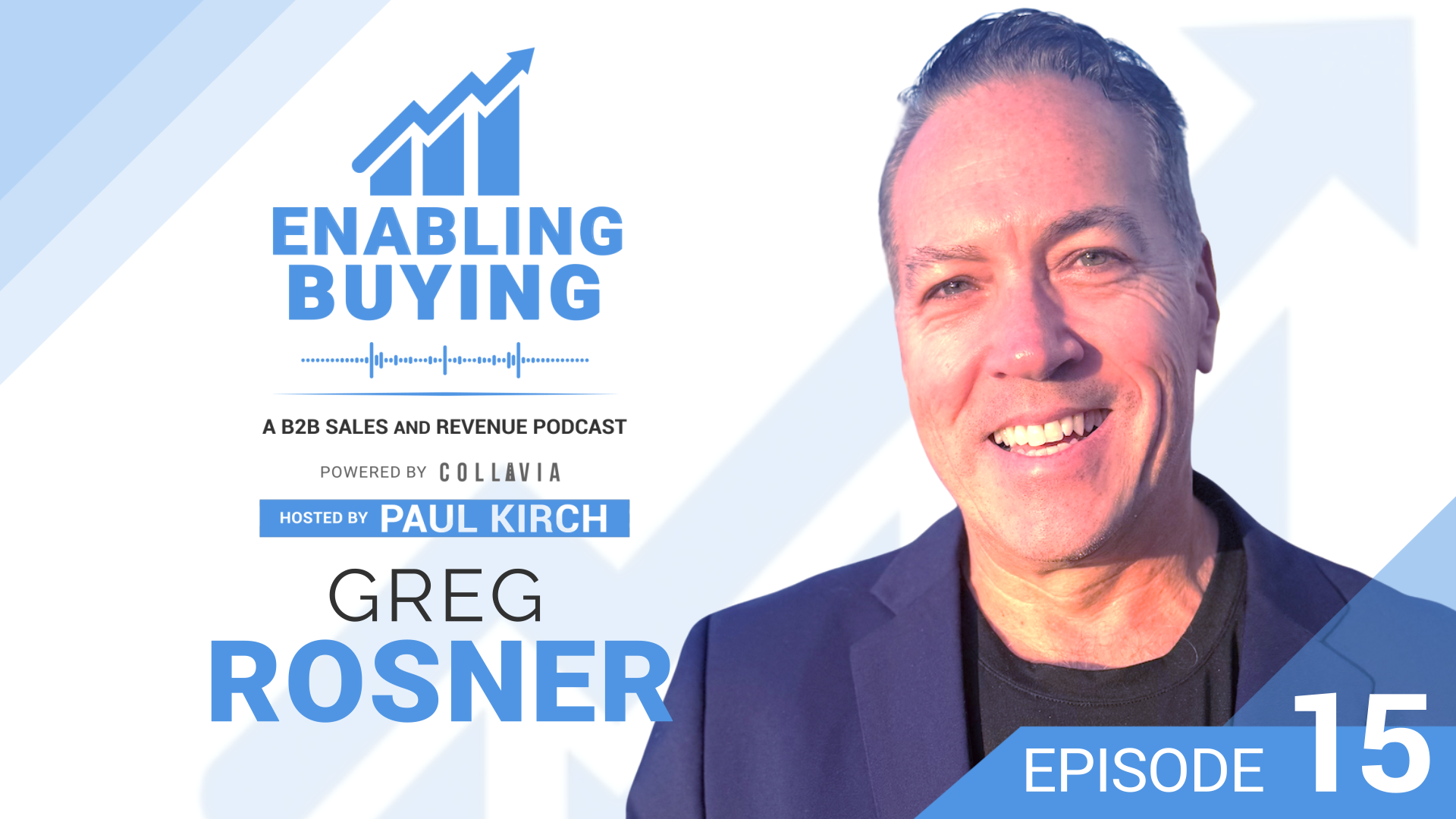
I told Paul Kirch that story on the Enabling Buying podcast. It bothers me because preparation changes the conversation. When I know what a company does and who it serves, I can spend more of our time understanding why the person wanted to talk.
Here's the workflow I described: use AI to prepare before the call and review the conversation afterward. Verify the research, listen closely, then check the transcript for what you missed. Below, I've turned that approach into a practical routine you can try on your next sales conversation.
What should we know before the call starts?
At 17:54 in the episode, I explain how an AI worker helps me prepare when someone books a meeting. The brief covers the company, its offering, competitors and relevant background. It also suggests why the person might have booked.
That last part is a hypothesis. A company launching a product doesn't tell you why its founder wants to meet. Research gives you a starting point. The person gets to tell you what's actually going on.
- What the company sells, who it serves and how it describes its value, with links to the source pages.
- What changed recently, with dates and sources. Leave the field empty when there isn't reliable evidence.
- What we already know from the invitation and earlier correspondence.
- What remains unclear, including assumptions to test in the conversation.
Keep the brief short enough to read. I want to arrive oriented. I don't need a dossier that takes longer to read than the meeting itself.
How do we turn research into a better opening question?
Imagine the company has announced a new product. You could begin by asking how the launch is going. You could also explain what you noticed and invite them to correct your read: I saw the new product announcement. Where are buyers still getting stuck when your team explains it?
That's an example to adapt, not a line from the podcast. It starts from something verifiable and leaves the answer open. The buyer might tell you the launch is fine and the real problem is elsewhere. Good. Now you're learning something.
In the episode, Paul and I discuss going deeper than basic background questions. A useful follow-up stays close to the answer: When did that start? What have you tried? What would have to change for this to be worth solving?
What should we do while the buyer is talking?
Listen closely enough to change your mind. A detailed brief can make you overconfident. If the person contradicts it, follow the person and update your understanding.
Use whatever note-taking arrangement you and the participants have agreed to so you can stay present. If there's no recording or transcript, work from your own notes afterward and be clear about what's missing.
The useful outcome is a shared understanding of the situation: what needs to change, why it matters, whether you can help and what happens next. You can't infer agreement because somebody stayed on the call.
What should we ask AI after the call?
At 20:21, I describe bringing an important conversation into an AI sparring session. I want another look at the questions the person asked and the things I may have missed.
A summary alone doesn't do that job. It can faithfully compress the conversation and still skip the question I dodged. Ask for the evidence behind each observation so you can go back to the moment and judge it yourself.
- Which questions did the buyer ask that I didn't fully answer? Show the timestamp or exact passage.
- Where did I make an assumption without checking it? Separate the spoken evidence from your interpretation.
- What did I promise, and what next steps did the buyer explicitly agree to? Don't add dates or commitments.
- What is still unknown about fit, urgency or the decision? Suggest a useful follow-up question.
An AI interpretation of someone's motives is still an interpretation. Use it to form a question you can ask. The transcript can't establish what a buyer privately thinks.
How does the review become a useful follow-up?
The next step is a draft that reflects the actual conversation. Answer the unresolved question. Include the resource you promised. Restate the agreed next step. If you didn't agree on one, ask rather than write as though you did.
For example, a draft might say: You asked how we'd keep your sales team involved. I didn't give you a clear answer. Here's how we'd handle the review, and where we'd need their input. That's a proposed example, not a customer exchange.
Review the draft before it goes out. Check names, facts, commitments and tone. The same applies to proposed CRM updates. A plausible summary shouldn't become the official account of a deal without someone checking it.
How do we know this is making the conversations better?
Try the routine on your next few calls. Keep a simple record of the preparation time, the useful question it helped you ask, and any missed question you caught afterward. Note whether you delivered the agreed follow-up and whether the next conversation happened.
Then compare it with how you worked before. You're looking for better understanding and more useful follow-through. More notes or faster drafts, by themselves, don't tell you that a buyer is closer to solving the problem.
There's a separate job for reviewing many completed deals and finding the language buyers use. We cover that in our guide to mining win/loss calls. This routine is about the person you're meeting next.
And remember that preparation goes both ways. The buyer may be reading your website or asking AI about you before the call. Make sure your public story gives them a clear picture of who you help and why it matters. The Brand Signal Score is a useful place to start.
Watch the full conversation with Paul Kirch or read the original show notes on Collavia.