
Why do buyers love our product but still not buy?

By Greg Rosner
Founder of PitchKitchen · Author of StoryCraft for Disruptors
· Updated · 8 min read
TL;DR
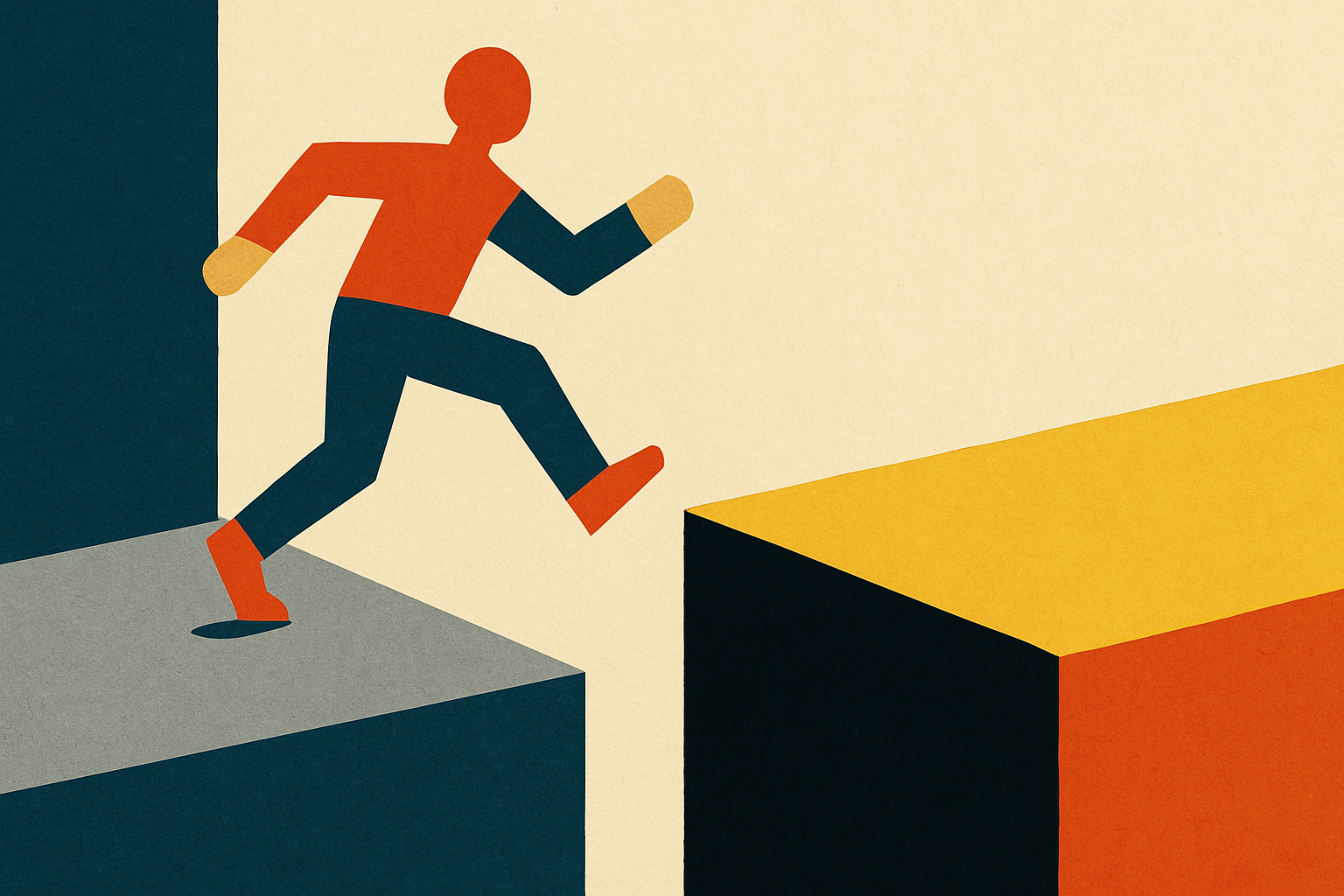
When a buyer loves your product and still doesn't buy, you almost certainly lost to indecision, not to a competitor. Matt Dixon and Ted McKenna's research in The JOLT Effect found that 40 to 60 percent of qualified B2B deals end in 'no decision.' The buyer wants the outcome but can't get over the fear of making the wrong call. Founders read that silence as a product problem and add features or cut price. The real fix is a story that makes staying put feel riskier than moving: who you're for, the exact problem you end, and a clear point of view on why the old way is failing them. When the message carries the stakes, the deal stops dying in silence.
The most expensive losses in B2B don't go to a competitor. They go to nothing.
A buyer sits through the demo and leans in. They say the thing every founder loves to hear: this is exactly what we've been looking for. They loop in two colleagues. They ask about onboarding and rollout. And then the thread goes quiet. Your follow-ups bounce off a wall of silence. Three months later the deal gets marked closed-lost, reason: no decision.
Here's what makes it maddening. You didn't lose to a better product. You didn't really lose on price. You lost to the buyer's own inability to move. And most founders read that silence as a product problem, when it's almost always a story problem. Let's take the lipstick off the pig and look at what's actually happening.
What's really happening when a buyer loves your product and still doesn't buy?
When a buyer loves your product and still doesn't buy, you almost certainly lost to indecision, not to a rival. Matt Dixon and Ted McKenna studied 2.5 million recorded sales conversations for The JOLT Effect and found that 40 to 60 percent of qualified B2B deals end in 'no decision.' The buyer wants the outcome. They just can't get themselves over the fear of making the wrong call.
Your real competitor isn't the other vendor on the shortlist. It's the status quo, plus the very human fear of being the person who championed an expensive mistake. The buyer loves your product in the room. Then they go back to their desk, picture explaining this purchase to their boss in six months if it underdelivers, and the easiest, safest move becomes the one that requires no decision at all. Doing nothing never gets anyone fired this quarter.
Why isn't this a product problem?
Because the buyer already told you the product is good. They loved it. A product problem sounds different. It sounds like buyers poking holes, rejecting you on the merits, choosing a rival who does the job better. That's not what's happening here. When buyers want the outcome and still freeze, the gap isn't in what you built. It's in the story you handed them to carry.
This is the quiet damage of Solution-Centric Marketing, the named villain I fight in nearly every engagement. You sold the solution beautifully and never raised the stakes of the problem. The buyer ends up with a clear picture of what your product does and no urgent picture of what it costs them to keep living without it. A demo proves the product works. It doesn't prove that changing is worth the risk. Those are two different sales, and most teams only make the first one. It's the same root cause behind how do I know if my B2B messaging is broken, not just underperforming: the message looks fine in the room and quietly fails where the real decision gets made.
Why is buyer indecision worse in 2026?
Because the buyer is more overwhelmed and more alone than ever. Gartner found that 77 percent of B2B buyers describe their latest purchase as very complex or difficult. More stakeholders weigh in, more options crowd the shortlist, and the buyer does most of the research by themselves before a rep ever joins the call. Every one of those forces feeds the fear of choosing wrong.
AI poured gasoline on it. AI brought the cost of producing content, comparison pages, and look-alike pitches to zero, so every category now looks crowded with options that sound identical. When a buyer can't tell the difference between five vendors, the safest response isn't to pick one. It's to pick none and revisit next quarter. Volume of content is no longer a moat, and neither is volume of features. A clear point of view is the only thing that cuts through the noise and gives a nervous buyer something solid to hold onto. I unpack that shift in The State of B2B Messaging 2026: How AI Killed Volume and Made Voice the Only Moat.
How do you tell if you're losing deals to indecision, not competitors?
Most founders assume they're losing to a rival because that's the loss they know how to fight. Run this on your last twenty closed-lost deals and your last five stalled ones. Be honest about what you find. Before you start, it helps to see what a stranger reads on your homepage in five seconds, because that's the version of your story a stalled buyer is re-reading alone at their desk. The free Brand Signal Score scores it for you in a few minutes.
- 1Read your closed-lost reasons. If 'no decision,' 'timing,' 'budget froze,' or 'went quiet' outnumber 'chose a competitor,' you're losing to indecision, not to a rival.
- 2Track where deals die. If they stall after a strong demo, in the silence between the great call and the contract, that's the indecision zone, not a product objection.
- 3Listen for the language. Buyers losing to a competitor say 'we went another direction.' Buyers frozen by indecision say 'we need to circle back' and then disappear.
- 4Count the stakeholders who went quiet. When a champion who loved it stops replying, they usually couldn't carry your story to the people who control the budget.
- 5Ask your reps what the buyer would tell their boss. If your team can't repeat the one-sentence case for change, neither could the champion, and the deal died in that gap.
- 6Check whether your pitch raised the stakes of doing nothing. If your deck is all capability and no cost-of-staying-broken, you trained the buyer to feel safe standing still.
What do we see across 200+ B2B companies?
After running this with more than 200 founder-led B2B companies in the 5 million to 75 million dollar range, the pattern is almost monotonous. The teams bleeding the most pipeline to 'no decision' are usually the ones most proud of their product. They've built something genuinely better, they demo it beautifully, and they assume the quality will carry the deal. They never build the case for change. The better the product, the more tempting it is to let it speak for itself, and the more deals quietly die in the silence after the demo.
If your last twenty losses are a blur, How to find out why you're really losing B2B deals walks through the win-loss conversation that surfaces the real reason. The other tell is internal, and it's the same one I see everywhere. The founder can make a buyer feel the cost of staying broken without trying. They name the villain, frame the stakes, and the deal moves. The moment the founder leaves the room, the team reverts to a capability tour, and the same buyers freeze. That gap isn't a talent problem. The urgency story lives in the founder's head and was never written down where the team could repeat it. It's the same root cause behind why your B2B sales cycle is slow because of your message, not your sales execution.
What does it look like when a company fixes it?
Here's a composite from several engagements that ran the same play. A 21 million dollar Series B healthtech company had a demo win rate founders dream about. Buyers consistently called their platform the best they'd seen. And yet more than half their qualified pipeline was evaporating into 'no decision.' They were convinced it was a budget-cycle problem and kept waiting for buyers to come back. The buyers rarely did.
We didn't touch the product or the demo. We rebuilt the message around a strategic narrative that made the status quo the thing to fear: the specific buyer they were for, the exact cost of staying with the old way named in concrete terms, and a sharp point of view on why that old way was quietly failing. Then we rebuilt the first half of their deck to open with the stakes of doing nothing, using the Discovery Prompter, PitchKitchen's sales deck narrative method, so the champion left every call with a one-sentence case they could repeat upward. Within a quarter, their 'no decision' losses dropped by roughly a third and their average cycle tightened by three weeks. Same product. Same demo. A story that finally made standing still feel like the risky choice.
Indecision vs. a clear story: what actually changes?
| When you sell the solution | When you sell the stakes | |
|---|---|---|
| What the buyer feels | Your product is good | Staying put is dangerous |
| Your real competitor | The other vendor | The status quo and fear of choosing wrong |
| What the champion carries upstairs | A feature list | A one-sentence case for change |
| Where deals die | In the silence after the demo | They don't, the stakes keep them moving |
| Why buyers stall | Doing nothing feels safe | Doing nothing feels expensive |
| What more features do | Add complexity and fear | Become proof, not the pitch |
What should we do about it this week?
You don't need to rebuild the product or retrain the team to start. You need to give buyers a reason to fear standing still. Three moves you can make this week:
- 1Name the cost of the status quo in one sentence. Not what your product does, but what it specifically costs this buyer to keep doing it the old way for another year. If you can't say it, your champion can't either.
- 2Write the case for change your champion repeats to their boss. Who it's for, the exact problem you end, and your point of view on why the old way is broken. This is the heart of the Magnetic Messaging Framework, built around four anchors: category design, villain framing, an old-way / new-way contrast, and a promised-land outcome.
- 3Rebuild the first three slides of your deck to open with the stakes of doing nothing, not your product. If the deck makes the buyer feel the risk of standing still, the demo lands as the way out. More on that in Discovery Prompter: Sales Deck Narrative Strategy.
A buyer who loves your product and still doesn't buy isn't unconvinced. They're stuck, holding a solution with no story strong enough to make change feel safer than standing still. PitchKitchen builds Magnetic Messaging Frameworks for founder-led B2B companies in the 5 million to 75 million dollar range, fixing the broken messages and underperforming decks that let great products die in silence. It was founded by Greg Rosner, author of Story Craft for Disruptors. If you want the deeper argument for why a clear point of view is the only thing that breaks a buyer's freeze in the AI age, start with Strategic Positioning Is the Only Moat AI Can't Copy.
Questions People Ask
FAQ
Why do B2B buyers go dark after a great demo?
A great demo proves your product works. It doesn't prove that changing is worth the risk. After the demo, the buyer has to sell your solution internally, justify the budget, and own the decision if it goes wrong. If you handed them a feature list instead of a story they can repeat, they stall, not because they stopped believing in the product, but because they can't carry the case for it past their own fear of messing up.
What does 'no decision' mean in B2B sales?
No decision means the buyer chose to stay with their current situation instead of buying from you or a competitor. Matt Dixon and Ted McKenna's research in The JOLT Effect found that 40 to 60 percent of qualified B2B deals end this way. It's the single largest source of losses in most pipelines, larger than any competitor, and it almost always traces back to buyer indecision rather than a product gap.
Is buyers not buying a product problem or a messaging problem?
If buyers consistently say they love the product and then don't move, it's a messaging problem. A product problem shows up as buyers rejecting the product on its merits. Indecision shows up as buyers wanting the outcome but freezing on the decision. The fix isn't more features. It's a clearer story about the cost of staying broken, so that doing nothing stops feeling like the safe choice.
How do I know if I'm losing deals to indecision or to a competitor?
Check your closed-lost reasons. If 'no decision,' 'timing,' 'budget froze,' or 'went quiet' outnumber 'chose a competitor,' you're losing to indecision. Competitor losses mean buyers decided and picked someone else. Indecision losses mean buyers never decided at all. The two problems have different fixes, and most founders misdiagnose the first as the second and respond by discounting.
How do you get an indecisive B2B buyer to commit?
You make standing still feel riskier than moving. That means naming the cost of the status quo in concrete terms, giving the buyer a story simple enough to repeat to their boss, and removing the fear of choosing wrong with a clear path and proof. You don't push harder on the product. You raise the stakes of doing nothing and lower the perceived risk of saying yes.
Why does adding features make buyer indecision worse?
Every feature you add is one more thing the buyer has to evaluate, justify, and risk being wrong about. More capability means more complexity, and complexity feeds the fear of making a mistake. Gartner found 77 percent of B2B buyers describe their latest purchase as very complex or difficult. Piling on features adds to that load. A sharper story removes it by making the decision simple and the stakes clear.